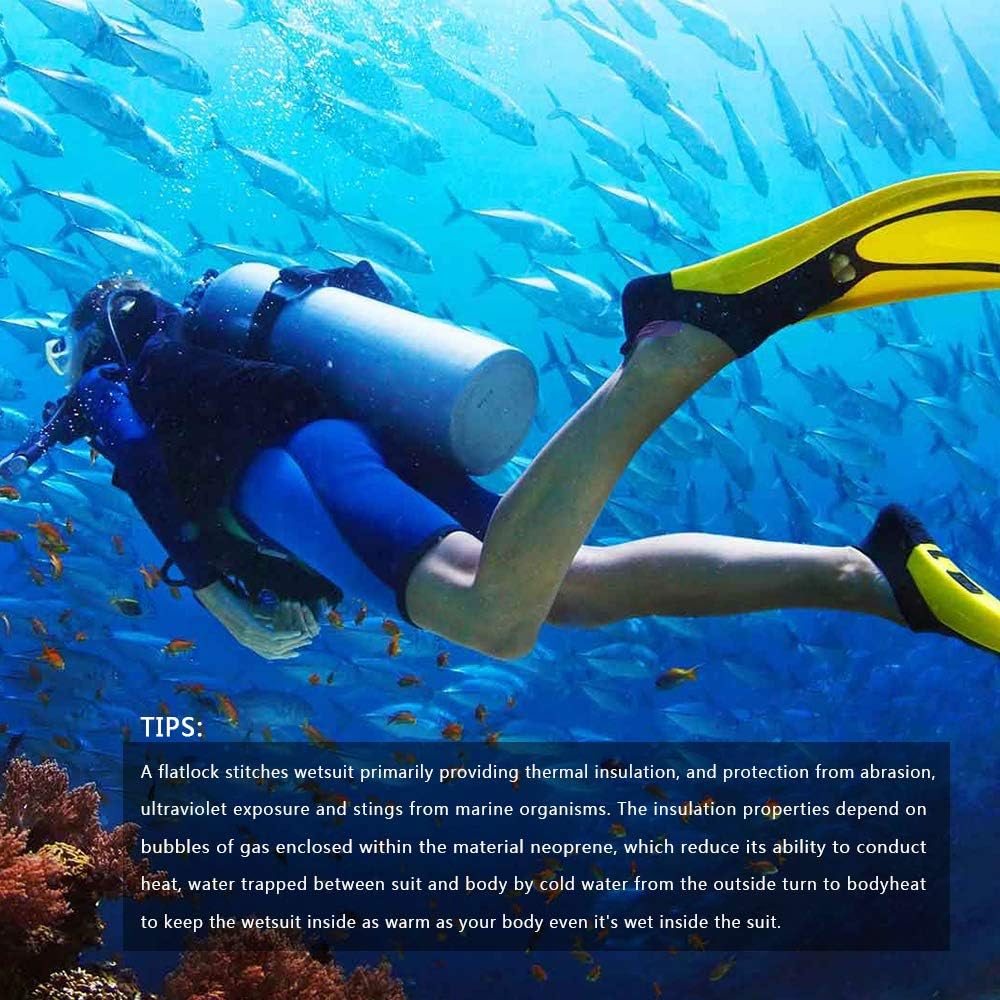
You’re packing for a May dawn patrol on the Jersey Shore or a September swell in the Outer Banks. The air is warm, the water is somewhere between bracing and tolerable — probably 62–66°F — and you know a full-suit is overkill but boardshorts alone will end your session after twenty minutes. What you need is a shorty wetsuit (also called a spring suit): a neoprene suit with short legs, usually cut above the knee, and either short or long sleeves. It covers your core and keeps your temperature stable without cooking you on a warm-water day. Sounds simple. Where it gets complicated is the zipper — specifically whether that zipper runs across your back (back-zip) or wraps around your chest, side, or front (front-zip). That single design choice affects how you get in, how much cold water gets in, how the suit moves when you paddle, and whether the thing unzips itself mid-ride. This article breaks down the tradeoffs so you can make the call before you buy.
| EDITOR'S PICKO'Neill Men's Reactor-2 2mm Bac… | Mid-tierO'Neill Women's Reactor Back Zi… | Budget pickHevto Men Wetsuit Shorty 2mm Ne… | |
|---|---|---|---|
| Entry | Back zip | Back zip | Front zip |
| Thickness | 2mm | — | 2mm |
| Gender | Men's | Women's | Men's |
| Size | X-Large | 12 | XX-Large |
| Neoprene | — | — | ✓ |
| Price | $88.95 | $75.50 | $42.12 |
| See on Amazon → | See on Amazon → | See on Amazon → |
What the Entry System Actually Does
A zipper in a wetsuit isn’t just a convenience feature. It’s a structural seam running through the thermal barrier — neoprene is the foam-rubber material that traps a thin layer of water against your skin, which your body then heats. Every zipper is a potential point of water entry (called flushing, when cold water flows in and replaces the warm layer) and a potential point of movement restriction. So the entry system is a compromise between three things: ease of getting dressed, how much water sneaks in, and how freely you can rotate your shoulders.
Back-zip designs put a long zipper running vertically up the spine, usually from the mid-back to the nape of the neck, with a cord you pull to close it. They’ve been the dominant design for decades. You step in, pull the suit up, reach back for the cord, zip up, and fold over a velcro flap to lock the zipper head in place. Straightforward. The trade-off is that the back is a high-flex zone when paddling — you arch and round your spine constantly — and a zipper running through that zone can create resistance and a gap that flushes water.
Front-zip and chest-zip designs move the zipper to a less-mobile part of the body. A true chest-zip enters over your head and seals at the chest with a horizontal or diagonal short zipper. Some brands use a longer side-zipper that runs from the hip around to the side of the torso. These designs typically flush less because the seam sits away from the spine’s range of motion. The trade-off: they can be harder to get on and off, especially if you have big shoulders or are changing in a cramped parking lot.
How Each Zip Style Performs: Three Tiers
Budget Back-Zip: Proven Entry Point, One Real Flaw
Back-zip spring suits are the default for good reason. They’re easy to manufacture with consistent seam quality, widely available in entry and mid-range price tiers, and any surfer who’s worn a full-suit already knows the drill.
The O’Neill Reactor-2 spring suit is the reference point here. It’s a 2mm back-zip shorty with sealed seams — glued and blind-stitched, meaning the needle doesn’t pass all the way through the neoprene, which reduces water entry at the seam itself. The functional detail that separates it from cheaper back-zip competitors: a velcro fold-over strap that locks the zipper head at the top of the closure. Multiple owners in aggregated reviews specifically flag this feature for kitesurfing and surfing — they report it prevents the zipper from unzipping mid-session when the suit is being pulled in every direction. If you’ve ever had a spring suit creep open during a wipeout, you understand exactly why that strap matters.
The Women’s O’Neill Reactor spring suit earns unusually positive reviews from buyers with larger hip-to-waist ratios, who report it fits without gapping or bunching in the lower body. That’s a genuine rarity in women’s wetsuit design, where suits are frequently cut for a narrow hip-to-waist proportion that doesn’t reflect actual body diversity.
Back-zip watch-out: Cheaper back-zip suits without a locking velcro strap are genuinely prone to unzipping during wipeouts and duck-dives. If you’re kiting, doing SUP paddling with forward lean, or surfing punchy beach-break, pay close attention to whether a back-zip suit you’re considering has a retention mechanism at the zipper head.
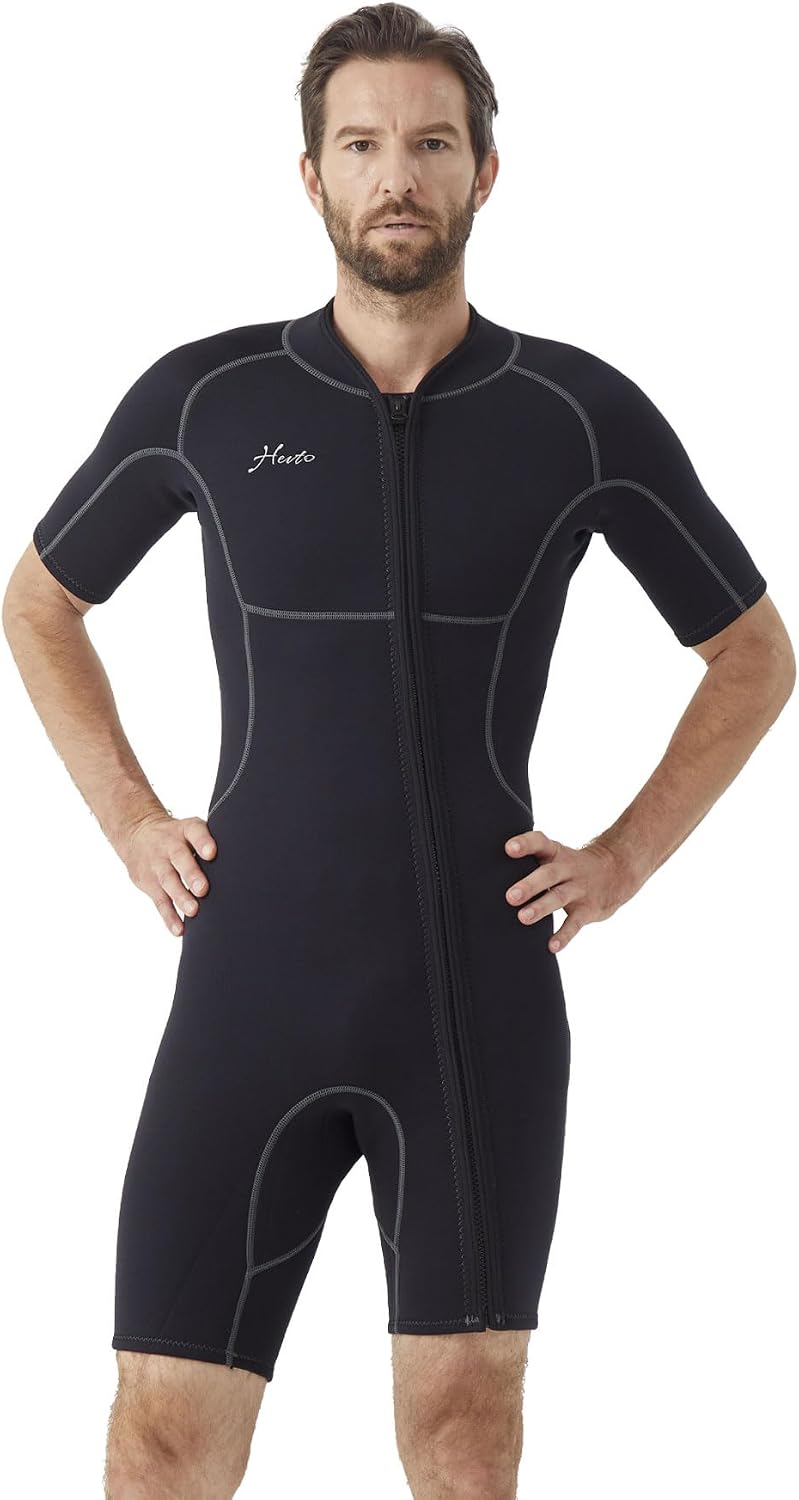
Hevto
$42.12
In stock on Amazon
Check price on AmazonMid-Tier Side-Zip: Easier Entry, Watch the Zipper Over Time
Side-zip designs — where the zipper runs from the hip upward along the torso — offer a middle path between back-zip convenience and front-zip flush resistance. The suit essentially opens wide, making it significantly easier to step into than a back-zip you’re wrestling over your shoulders. Multiple owners of side-zip shorties describe the entry as a “great feature,” particularly for surfers who struggle with the over-the-shoulder contortion required by back-zip entry.
There’s a durability consideration worth naming directly: side-zip mechanisms that are smooth when new can become harder to operate over time with repeated saltwater exposure. This pattern appears consistently enough in owner feedback that it should factor into your purchase. The maintenance fix is straightforward — rinse the zipper with fresh water after every session and apply a silicone-based zipper lubricant regularly. Skipping that step accelerates the degradation.
One functional note that doesn’t appear often in surf reviews but matters for longer water time: side-zip suits typically allow bathroom access without fully removing the suit. For a 90-minute surf session this is minor; for a half-day SUP or a multi-hour kite session, it’s a real quality-of-life factor.
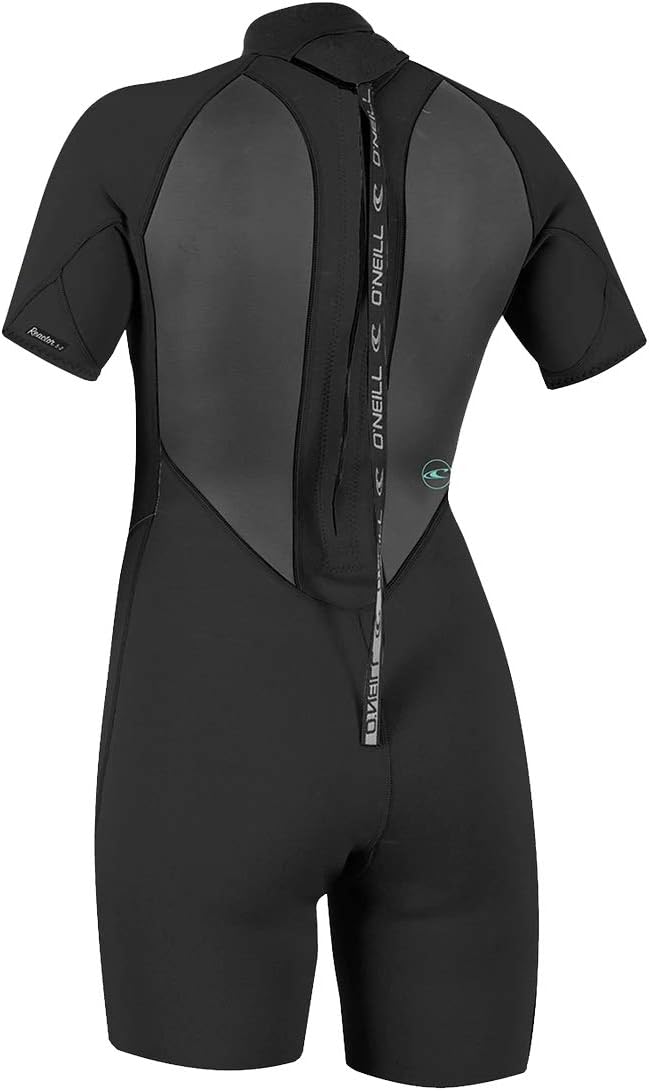
O'Neill
$75.50
In stock on Amazon
Check price on AmazonPremium Chest-Zip: Best Seal, Highest Learning Curve
Chest-zip suits have moved from specialty scuba and freediving gear into mainstream surf because of one measurable advantage: less flushing. Wavelength Surf Magazine’s Shorty Wetsuit Buyers Guide notes that chest-zip and front-entry designs consistently outperform back-zip suits in cold-water flush tests because the spine seam — where back-zip suits are most vulnerable — is simply absent. When you’re paddling, your spine flexes constantly; a zipper running through that zone is exposed to every duck-dive and wipeout. A chest-zip removes that vulnerability entirely.
The premium tier in this category includes suits from Rip Curl (the E-Bomb series), O’Neill’s Psycho chest-zip line, and Patagonia’s R-series. These suits combine chest-zip entry with high-stretch limestone-based neoprene (rather than petroleum-based foam), which improves both warmth-to-flexibility ratio and environmental footprint. They cost more — typically $180–$280 for a shorty — but the paddle freedom and flush reduction are measurable for surfers logging regular sessions.
Getting on and off a chest-zip takes practice. The suit goes on over your head, which means you need enough shoulder flexibility and arm room to thread through. If you have broad shoulders or are changing in tight quarters, budget an extra few minutes until the motion becomes routine. Sunburn makes it considerably worse.
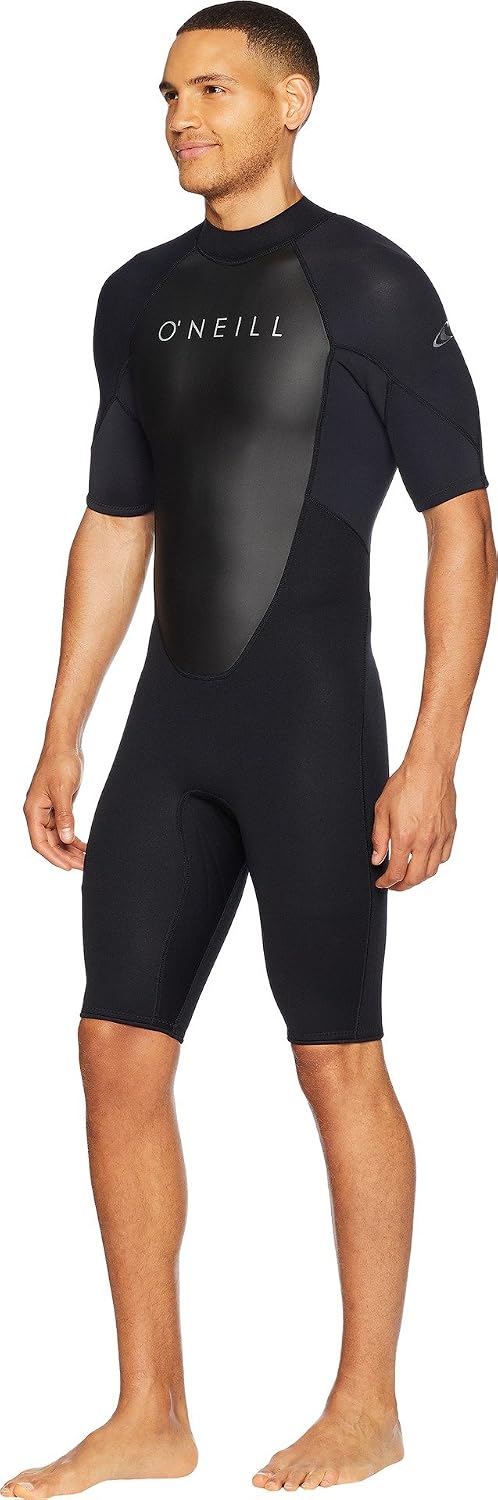
O'Neill
$88.95
In stock on Amazon
Check price on AmazonBy the Numbers: Zip Type vs. Key Performance Variables
| Factor | Back-Zip | Side-Zip | Front / Chest-Zip |
|---|---|---|---|
| Entry ease | High | High | Moderate |
| Flush resistance | Moderate | Moderate–High | High |
| Paddle flex | Moderate | Moderate | High |
| Zipper longevity concern | Low | Moderate | Moderate |
| Price tier availability | $–$$$ | $–$$ | $$–$$$ |
Sizing: The Variable Nobody Warns You About
Wetsuit size charts are calibrated to athletic builds with narrow torsos, and real bodies frequently don’t match. This isn’t a minor discrepancy — some buyers report needing to go one or even two full sizes larger than a brand’s published chart suggests. A buyer at 6’3” and 250 lbs may find the chart recommending a 2XL while the actual fit requires a 3XL. That gap is large enough to matter.
Cleanline Surf’s Wetsuit Thickness Chart and Guide (Cleanline Surf, published on cleanlinesurf.com) recommends the correct approach: measure chest, waist, hips, and height — then check all four against a brand’s specific chart, not a generic wetsuit chart from another brand. If any single measurement puts you in a larger size, size up. A shorty that’s too tight across the chest restricts breathing; one that’s too loose across the torso flushes water and bunches when you paddle.
When in doubt, prioritize chest and shoulder fit. You can tolerate some extra room in the legs, but shoulder restriction kills your paddle stroke and makes duck-diving a fight. If a brand’s chart and your body disagree by a full size, trust your measurements over the chart.
Thickness and Atlantic Water: The 2mm vs. 3mm Call
Water temperature, not air temperature, drives the thickness decision — a point The Inertia’s wetsuit buying guide (The Inertia, “How to Choose a Wetsuit”) emphasizes consistently. Surfline’s regional water temperature data (Surfline, Water Temperature Guide by Region) puts Mid-Atlantic and Southeast Atlantic water in the 60–66°F range in May and the 68–72°F range in September depending on location.
The decision rule:
- May Atlantic surf, 60–66°F: 3mm shorty minimum, or a 2mm with a rash guard underneath. If you run cold, consider a 3/2mm full suit.
- September Atlantic surf, 68–72°F: 2mm shorty is comfortable for most surfers. A 3mm will feel warm after extended paddling.
- Both months: A 3mm shorty is the more versatile single purchase if you want one suit to cover both shoulders of the season.
Thickness notation refers to neoprene depth in millimeters — more millimeters means warmer but less flexible. A “2mm” shorty has 2mm of neoprene throughout; some suits use variable thickness (e.g., 3mm in the torso, 2mm in the arms) to balance warmth and paddling mobility.
Frequently Asked Questions
Does a front-zip shorty flush more water during surfing than a back-zip? No — it typically flushes less. The back-zip’s spine seam is the most vulnerable flush point because the spine flexes constantly during paddling and wipeouts. Front-zip and chest-zip designs remove that seam entirely. Side-zip designs are a moderate improvement over back-zip. Wavelength Surf Magazine’s Shorty Wetsuit Buyers Guide confirms this hierarchy in cold-water flush comparisons.
How do I size a shorty wetsuit when every brand runs differently? Measure chest, waist, hips, and height. Check all four against the brand’s specific chart — not a generic wetsuit chart from another brand. If any one measurement suggests a larger size, go up. A snug chest is worse than slightly loose legs. Per Cleanline Surf’s Wetsuit Thickness Chart and Guide, sizing up when measurements conflict is the standard recommendation.
Is a 2mm or 3mm shorty enough for Atlantic water in May and September? In May (60–66°F), a 3mm gives most surfers enough warmth for a full session. In September (68–72°F), a 2mm is usually sufficient. Per Surfline’s regional water temperature data, the Atlantic has enough seasonal variation that a 3mm is the better single-suit answer if you’re buying one shorty to cover both ends of the warm season.
Can I wear a shorty for SUP paddleboarding, or do I need a full suit? A shorty works well for SUP in the same temperature range where it works for surfing. The relevant difference: SUP paddling keeps you upright and dry more often than surfing, so you may feel colder sooner if you’re not getting wet regularly. In cooler water (under 65°F), a full-suit is a safer choice for SUP because you’re less likely to rewarm yourself through immersion.
Why does my back-zip spring suit keep unzipping mid-session? Most likely cause: the zipper head doesn’t have a retention mechanism holding it in the closed position. When the suit flexes hard — during a wipeout, a duck-dive, or a kite pull — the cord at the zipper head gets caught and pulls the zipper open. The fix at the gear level is to choose a suit with a locking retention strap at the top of the zipper. Interim fix on a suit you already own: tuck the cord under the velcro tab as tightly as possible and secure it before paddling out.
The Decision Rule
If you’re surfing Atlantic beach break in May and September and want one shorty that handles both ends of the season: go 3mm, back-zip with a locking velcro strap. The O’Neill Reactor-2 is the reference point in this category — the retention strap is a genuine functional differentiator, and the women’s version fits body proportions that most suits ignore.
If you’re doing extended water time — multi-hour SUP, diving, or kiting where flushing and comfort over time matter more than easy entry: go front-zip or chest-zip and budget for a quality zipper. Rinse it every session. Size up from the chart if you have a larger torso.
If you’ve been burned by sizing charts before: measure four dimensions, not just weight, and when two measurements disagree, take the larger size. The suit that’s slightly roomy is always better than the suit you can’t get on.