You’ve just picked up a longboard — or you’re seriously looking at one — and someone at the shop said, “Oh, you’ll want to think about your fin setup.” And then they said words like single fin, 2+1, and side bite, and you smiled and nodded. This article is for the moment after that conversation, when you want to actually understand what those terms mean and how they change the way your board surfs.
A fin is the blade (or blades) mounted on the underside of the tail of a surfboard. Fins keep the board tracking in a straight line and allow you to pivot and turn. On a longboard — typically a board nine feet or longer, built for stability and smooth, flowing surfing — fin choice dramatically changes the feel of the ride. A single fin is one large central fin. A 2+1 setup adds two smaller fins (called side bites or side fins) flanking the central fin. Each configuration rewards a different style of surfing and suits different wave conditions. By the end of this article, you’ll know which one fits your surfing and your Atlantic lineup — and you’ll understand the tradeoffs well enough to make a confident choice.
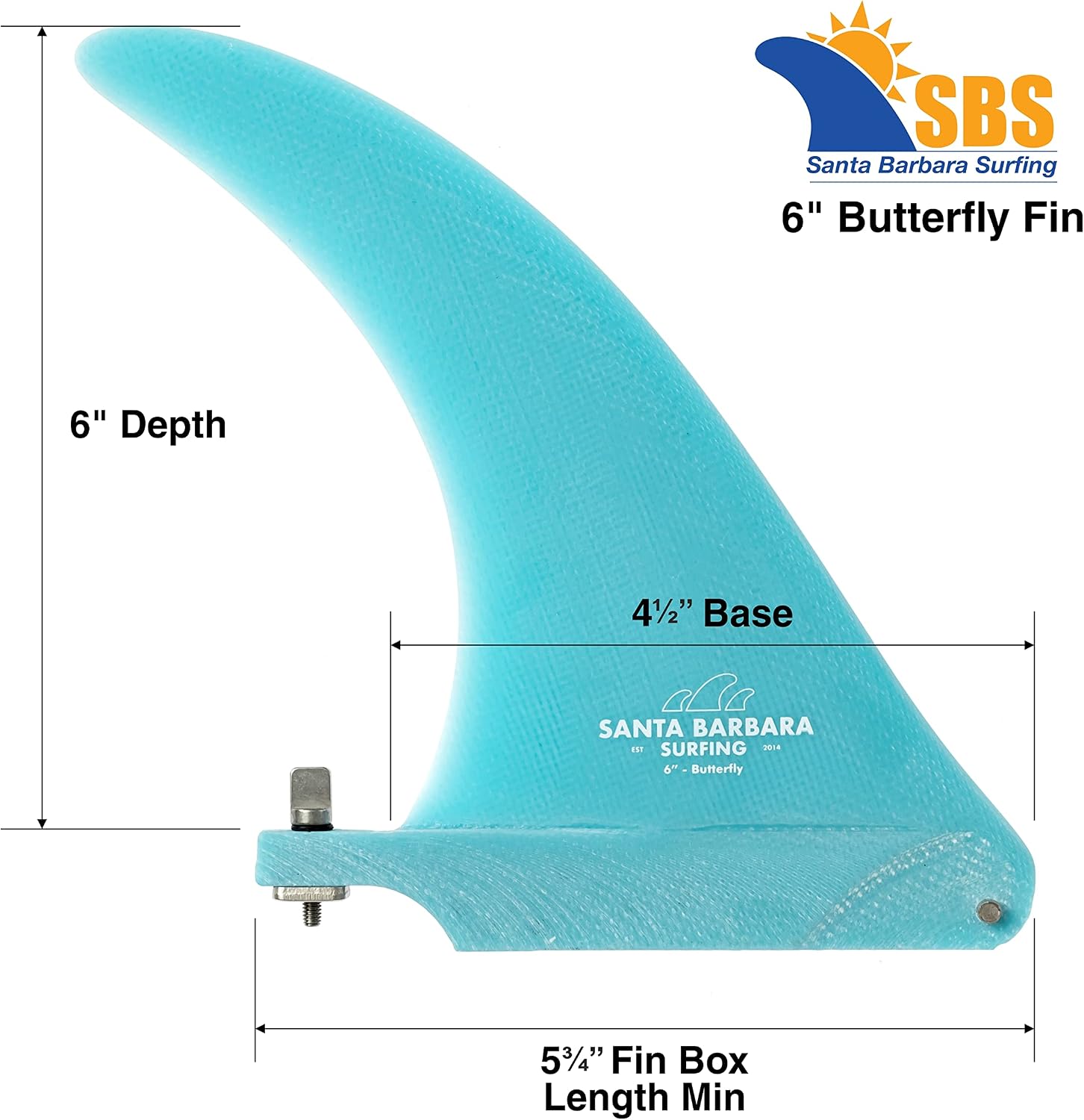
| EDITOR'S PICKSBS Fiberglass Longboard Single… | Mid-tierSBS 10" Surf & SUP Fin - Free N… | Budget pickSBS - 8 inch Longboard & SUP Si… | |
|---|---|---|---|
| Fin size | 6" | 10" | 8" |
| Template | Greenough 4-A | — | — |
| Material | Fiberglass | — | — |
| Tool-free screw | — | ✓ | — |
| Board type | Longboard | Longboard / SUP | Longboard / SUP |
| Color | — | Black | Black |
| Price | $30.75 | $18.95 | $15.15 |
| See on Amazon → | See on Amazon → | See on Amazon → |
Why Fin Setup Matters More on a Longboard Than Almost Any Other Board
On a shortboard, fin setup is important. On a longboard, it’s defining.
Here’s why: longboard surfing is often about trimming across the wave face and walking toward the nose — the forward tip of the board — to achieve a style of weightless, gliding riding called nose-riding. To nose-ride effectively, the tail of the board needs to be held down by the fin(s) while your weight is at the front. The size, placement, and configuration of your fins determine how well that tail holds, and how loosely or rigidly the board responds to your movements.
Boardcave’s longboard fin buyers guide describes the relationship simply: more fin area in the water generally means more hold and drive but less pivot. Less fin area means the board is more maneuverable but harder to trim in a straight line. The question is always where you want to sit on that spectrum — and that answer depends on your surfing style and the waves you’re riding.
Atlantic surf adds its own wrinkle. From New Jersey beachbreaks to the point waves of Nova Scotia, most Atlantic surfers deal with waves that are punchy, often messy, and rarely as long or perfectly shaped as the classic longboard breaks in Hawaii or California. That context should shape your fin decision.
Single Fin: The Classic Nose-Riding Choice
A single fin is one large center fin, typically ranging from 8 to 10.5 inches in depth (measured from the base of the fin box to the tip). No side bites. Just one blade holding the tail.
What it does well:
A big single fin creates a pivot point at the center of the tail. When you walk forward toward the nose, the tail sinks slightly and the fin bites in, locking the board into the wave face. This is the mechanical foundation of nose-riding. Surfer Magazine’s guide to longboard fins notes that a larger, more upright single fin — particularly a D-fin or dolphin fin shape, which has a more vertical profile — produces the most pronounced nose-riding feel because it creates clean, rail-to-rail control without the interference of side fins.
The tradeoffs:
A single fin setup is stiff to turn. You’re committing to drawn-out, flowing arcs rather than quick pivots. In smaller, mushier Atlantic beachbreak — the kind that closes out quickly and offers a short window — a pure single fin can feel sluggish. Wavelength Surf Magazine’s comparison of single fin vs. 2+1 setups puts it plainly: if you’re cross-stepping to the nose and back, single fin is the tool; if you’re surfing a more dynamic, performance-oriented longboard style, you may find the single fin limiting.
Who should run a single fin:
If your primary goal is traditional longboarding — nose-riding, cross-stepping, hanging five or ten toes over the nose — the single fin is the correct choice. It rewards patience and style. It does not reward surfers who want to snap the tail or make quick directional changes.
Fin size and volume matching:
As a general guideline, boards with more volume (say, 70+ liters) and wider tails (17+ inches at 12 inches from the tail) tend to pair well with larger single fins in the 9–10.5-inch range. Narrower-tailed logs or performance noseriders often use a slightly smaller single in the 8–9-inch range for a better balance of hold and release. Always measure your fin box length before purchasing — standard longboard single fin boxes (often called US box or longboard box) are roughly 10 inches long and accept most fins, but confirm compatibility before you buy.
2+1 Setup: Versatility for Real-World Atlantic Waves
A 2+1 setup keeps the large center fin but adds two smaller side fins — typically 3.5 to 4.5 inches deep — positioned several inches forward and outward from the center fin. The result is a three-fin cluster that functions differently from either a pure single fin or a shortboard’s thruster setup.
What it does well:
The side bites increase hold through turns and add drive down the line. According to The Inertia’s overview of longboard fin selection, the 2+1 setup allows a longboard to generate speed more efficiently on smaller, weaker waves — the kind that make up the majority of Atlantic surf on any given day. The added grip at the rails means you can initiate turns from further back on the board without losing control, which suits surfers who blend traditional style with more modern footwork.
The tradeoffs:
The side fins reduce the clean pivot that makes single fin nose-riding so satisfying. The tail feels slightly more locked in — which is helpful for turns but less ideal for the pure held-tail feel that nose-riding demands. Cleanline Surf’s longboard fin overview notes that many surfers who want to do both — nose-ride and surf more dynamically — run a 2+1 with smaller side bites (3.5 inches or even smaller side biters around 3 inches) and a slightly smaller center fin (8–8.5 inches) to split the difference.
Who should run a 2+1:
If you’re surfing a longboard primarily for fun, wave count, and versatility — not for mastering traditional nose-riding — the 2+1 is the smarter choice for most Atlantic breaks. It forgives messier waves, works better in punchy beachbreak, and gives intermediate surfers more control as they develop their trim and footwork.
By the Numbers: Single Fin vs. 2+1 at a Glance
| Configuration | Center Fin Size | Side Fins | Best For | Wave Type |
|---|---|---|---|---|
| Pure single fin | 9–10.5 in | None | Nose-riding, traditional style | Slower, longer point or reef waves |
| 2+1 (large sides) | 8.5–9.5 in | 4–4.5 in | All-round performance | Beachbreak, mixed conditions |
| 2+1 (small sides) | 8–9 in | 3–3.5 in | Blended style, some nose-riding | Most Atlantic breaks |
Fin Materials, Fin Systems, and What to Actually Buy
FCS II vs. Futures vs. US Box — compatibility matters:
Most longboard center fins use a US box (also called a longboard box) — a long sliding channel that lets you adjust the fin’s fore-aft position. This is a different system from the FCS II or Futures plug systems used on shortboards. Side bite fins on a 2+1 longboard typically use either FCS II or Futures plugs — and these two systems are not interchangeable. FCS II fins snap in without a screwdriver; Futures fins require a screw. Always check which plug system your board uses before purchasing side bites.
Fin materials and price tiers:
- Fiberglass ($, $30–$60 for a center fin): Heavier and stiffer. Solid for beginners or surfers who want a traditional feel. Brands like Rainbow Fin Co. are well-regarded in this segment.
- Honeycomb or bamboo composite ($$, $60–$100): Lighter than solid glass, with some flex. A practical all-round choice.
- Carbon fiber ($$$, $120–$200+): Maximum stiffness-to-weight ratio. Meaningful for performance-focused setups, but many traditional longboarders find carbon overkill for slow, drawn-out surfing.
FCS II Reactor Neo Carbon side fins (in the $120–$200 range depending on size) are a legitimate upgrade for 2+1 setups where you’re pushing performance. But for a pure nose-riding single fin setup, reviewers across aggregated longboard forums consistently note that a quality fiberglass or flex-glass fin outperforms rigid carbon — because some fin flex improves the feel of a held nose-ride.
Fin placement:
On a US box, moving the fin forward (toward the nose) loosens the tail and increases pivot. Moving it back adds hold and drive. Most shapers recommend starting with the fin at center and adjusting from there. This single variable can dramatically change the feel of your board without buying new fins.
Decision Rules: If X, Then Y
After reviewing the specs, the surfing styles, and the wave conditions across the Atlantic coast, here’s where this lands:
If your primary goal is nose-riding and you surf slower, more forgiving point or reef waves → run a pure single fin in the 9–10-inch range, positioned slightly forward in the box. Look at brands like Rainbow Fin Co., Harbour, or True Ames for fiberglass options in the $40–$80 range ($$). Skip the side bites entirely.
If you surf Atlantic beachbreak most of the time and want maximum versatility → run a 2+1 with 3.5-inch side bites in FCS II or Futures (whichever your board uses), and an 8.5–9-inch center fin. This setup handles the most conditions and suits surfers still developing their longboard style.
If you want to split the difference — some nose-riding, some dynamic surfing → run a 2+1 with very small side bites (3 inches or smaller) and a larger center fin (9–9.5 inches). The side bites add just enough hold in turns without killing the pivot for nose-riding.
If you’re a surf coach or school operator buying for a quiver: The 2+1 setup wins on durability and versatility across student ability levels. Keep side bites in both FCS II and Futures to cover whatever boards you’re running. Buying fiberglass center fins in bulk at the $40–$60 tier keeps replacement costs manageable.
The fin question on a longboard isn’t just gear trivia — it determines whether your board actually does what you want it to do in the waves you’re actually surfing. Start with the decision rule above. Get in the water. Then adjust fin position before you buy anything new. Most surfers find the answer is already in their box — it just needs moving an inch forward or back.