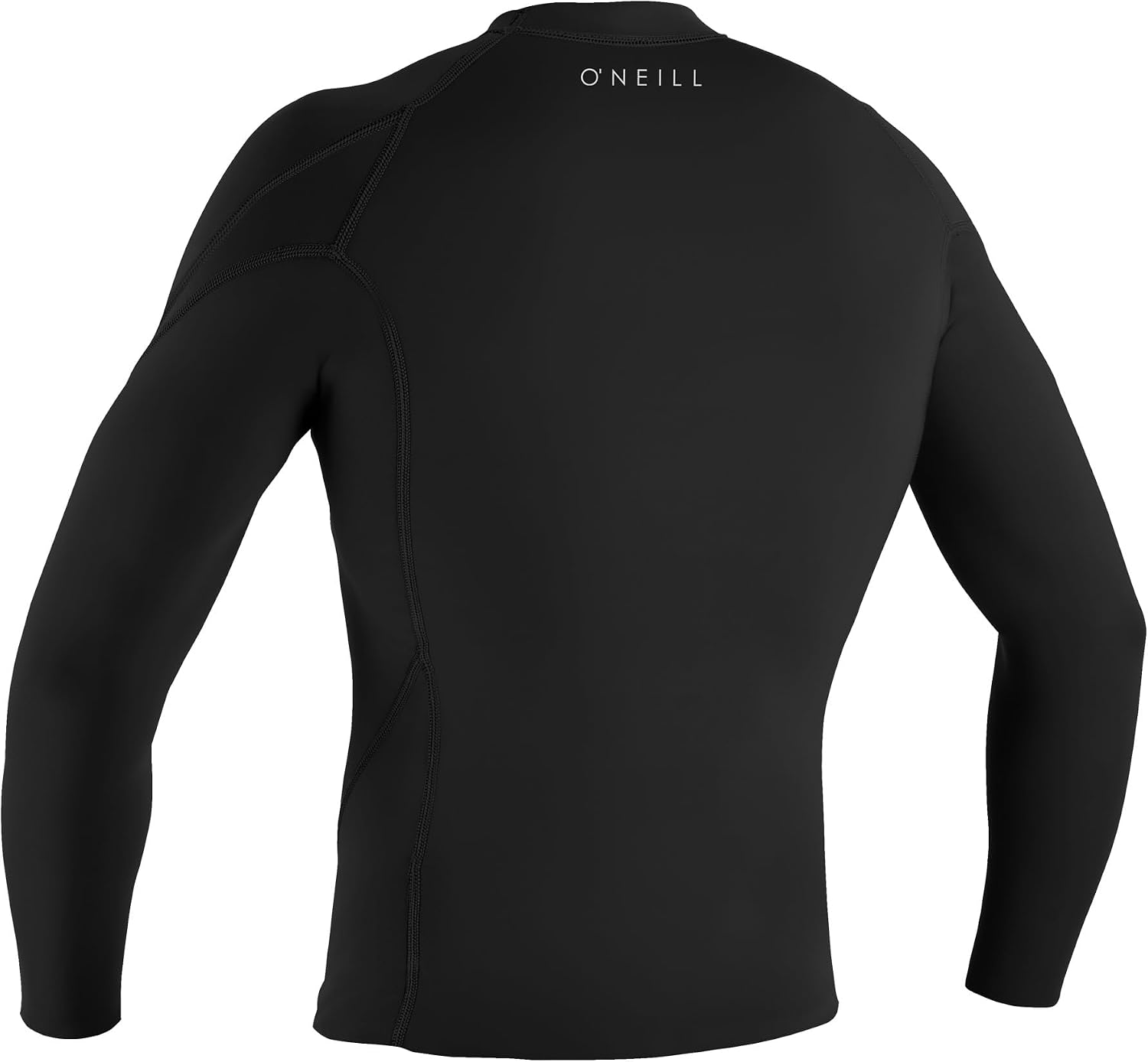
You paddle out in late July off the Outer Banks. The water reads 72°F on Surfline — technically “warm,” technically T-shirt weather on land. But you’re sitting in the lineup for twelve minutes between sets, a light northeast wind is blowing straight onshore, and by the time the next set rolls through, your shoulders are tight and your duck-dive is half a beat slow. A standard rashguard (a thin, stretchy shirt designed to block UV rays and reduce board rash — not provide warmth) isn’t doing enough. But your 3/2mm full suit (a wetsuit with 3mm of neoprene on the body and 2mm on the arms, designed for water in the 58–65°F range) is sitting in the car feeling like serious overkill. This is the 65–75°F dead zone, and it catches Atlantic surfers every spring, every fall, and every overcast summer morning. This article maps the exact gear tier that fills that gap — and tells you when to move up or down.
| EDITOR'S PICKO'Neill Men's Reactor-2 2mm Bac… | Mid-tierO'Neill Men's Reactor-2 2mm Bac… | Budget pickO'Neill Men’s Basic Skins Long… | |
|---|---|---|---|
| Thickness | 2mm | 2mm | — |
| Sleeve length | Short sleeve | Short sleeve | Long sleeve |
| Closure | Back zip | Back zip | — |
| UPF rating | — | — | UPF 50+ |
| Garment type | Spring wetsuit | Spring wetsuit | Rashguard |
| Size | XX-Large | X-Large | Large |
| Price | $99.99 | $88.95 | $29.96 |
| See on Amazon → | See on Amazon → | See on Amazon → |
The Dead Zone, Defined
Atlantic water temperatures don’t cooperate with clean categories. Per Surfline’s Atlantic Seaboard regional data, the New Jersey-to-North Carolina corridor sits between 65°F and 74°F for roughly six months of the year when you account for early-morning sessions, post-storm upwellings, and the shoulder months of May, June, September, and October. Florida’s north Atlantic coast runs cooler than most people expect — Jacksonville to St. Augustine sees sub-70°F water well into spring.
In that band, three garment types compete for your money:
Rashguard (0mm neoprene): UV protection, chafe prevention, zero thermal value. Good to about 74°F for active paddling. Falls apart when you’re stationary between sets or the wind picks up.
1–1.5mm neoprene top: A thin pullover or zip-front panel of neoprene — the same rubber-based material used in full wetsuits — that adds meaningful core warmth without restricting shoulder rotation the way a thicker suit does. This is the tier most buyers skip and then regret.
2mm spring suit (also called a shorty or short-arm steamer): A one-piece wetsuit with short arms and short or long legs, typically rated for 62–70°F. More warmth than a top alone, but a bigger investment and slower to don/doff.
Understanding where each layer breaks down is the whole game here.
The 1.5mm Neoprene Top: What It Actually Does
The O’Neill 1.5mm pullover neoprene top is the most discussed product in this tier across aggregated buyer reviews — and the review pattern is instructive. According to Cleanline Surf’s product review aggregation, multiple owners report buying “several of these over the years” across different activities including surfing and water skiing. One reviewer specifically noted purchasing a returned unit because they already knew the intentionally tight fit wasn’t a defect — the compression fit is by design, and it’s what makes the thermal seal work.
That tight fit is load-bearing information. A neoprene top that gapes at the waist or rides up loses its warmth quickly because cold water flushes through the hem. When owners flag the fit as “very snug,” they’re describing a feature, not a flaw. If you’re between sizes, size down — not up — on neoprene tops designed with this compression architecture.
The consistent complaint, though, is drying time. At least one owner in the Cleanline Surf review pool specifically recommends buying two units and rotating them, because a 1.5mm neoprene top takes significantly longer to dry than a thin rashguard or even a spring suit with exterior-facing smoothskin panels. If you’re surfing daily during a trip or running a surf school, the two-top rotation is not optional — it’s a logistics decision.
What the 1.5mm top is for: Sessions in 68–75°F water where the wind is the real problem, not the water temperature itself. It adds 4–6°F of effective warmth for your core while leaving your arms unrestricted for paddling.
What it’s not for: Sub-65°F water, extended sessions in strong onshore wind, or any situation where your legs and arms are exposed for more than thirty minutes.
The Rashguard Sizing Problem Nobody Mentions Upfront
If you’re shopping the O’Neill Basic Skins rashguard — one of the most-purchased entry points in this category — the review record is consistent: size up. According to aggregated buyer feedback via Cleanline Surf’s product review data, multiple reviewers flag that the body-conscious cut surprises buyers who aren’t expecting a compression fit from what looks like a loose athletic shirt in the product photos. The cut is intentional (it lies flat under a wetsuit and doesn’t bunch), but if you’re wearing it as a standalone top in the lineup, it reads tight.
The practical fix: order one size larger than your usual athletic shirt size. If you’re a medium in a standard surf tee, order a large in the Basic Skins. The fit will still be snug enough to stay put under a wetsuit top without being uncomfortable.
This matters beyond comfort. A rashguard worn under a neoprene top needs to lay flat — any bunching creates pressure points that distract during a long paddle session and can cause rash even through neoprene.
The 2mm Spring Suit: When the Top Isn’t Enough
The jump from a 1.5mm top to a 2mm spring suit isn’t just about more neoprene. It’s about coverage. A spring suit covers your torso, thighs, and (in most designs) your upper arms — which means it addresses the two areas where active paddling loses heat fastest: the core-to-hip transition and the upper arm.
The O’Neill Reactor-2 2mm spring suit earns specific praise from kiteboarders and surfers alike in published buyer reviews for one detail that’s particularly relevant to Atlantic beach-break conditions: its windproof panel. Onshore wind is the default condition at most East Coast beach breaks — anyone who’s surfed Ocean City or Wrightsville on a northeast swell knows how a 15-knot wind makes 70°F water feel like 62°F the moment you sit upright in the lineup. A windproof panel on the chest addresses that specific problem directly. Wavelength Surf Magazine’s wetsuit buyer’s guide notes that wind chill on exposed neoprene panels is frequently underestimated, and that smoothskin or windproof exterior panels on 2mm suits can add 3–5°F of effective warmth without adding material thickness.
One practical zipper tip worth knowing: Owners report that the back zipper on the Reactor-2 can unzip mid-session during aggressive duck-dives or wipeouts — a consistent friction point in the review record. The fix is simple and doesn’t require any tools: fold the zipper pull over the velcro tab at the top of the zipper before you paddle out. It takes two seconds and essentially locks the zipper in place for the session.
By the numbers — Atlantic dead zone reference:
| Water Temp | Recommended Layer | Neoprene Thickness |
|---|---|---|
| 74°F+ with low wind | Rashguard only | 0mm |
| 68–74°F with onshore wind | 1–1.5mm neoprene top | 1–1.5mm |
| 63–68°F | 2mm spring suit | 2mm |
| Sub-63°F | 3/2mm full suit | 3/2mm |
Layering: Can You Wear a Rashguard Under a Neoprene Top?
Yes — and it’s worth knowing when it actually helps. Wearing a rashguard under a 1.5mm neoprene top adds a thin layer of trapped warmth at the core and eliminates the board-rash issue that comes from neoprene rubbing directly on skin during a long paddle. The Inertia’s coverage of wetsuit thermal layering notes that a thin base layer under a thin neoprene top can extend the effective warmth range by 2–4°F, which matters in the 67–70°F zone where the line between “comfortable” and “shivering between sets” is thin.
The tradeoff: thickness. A rashguard under a neoprene top adds material volume, which can make the top harder to pull on and can slightly restrict shoulder movement in surfers with broader frames. If you’re sizing a neoprene top with this layering plan in mind, account for that extra layer when choosing your size — don’t size down quite as aggressively as you would for the top alone.
According to Surfer Magazine’s warm-water wetsuit matrix, the rashguard-under-top combination is most effective when the rashguard is long-sleeve and the neoprene top is a pullover style (no zip) — zip-front tops tend to let water flush more freely, reducing the benefit of the underlayer.
Frequently Asked Questions
Will the O’Neill 1.5mm wetsuit top keep me warm in 70°F Atlantic water between sets?
For most surfers, yes — with one important condition. Owners consistently report that the top handles the between-set wait well in calm or light-wind conditions around 70°F. In moderate onshore wind (which is the default at most Atlantic beach breaks), you’ll want to pair it with a rashguard underneath or accept that you’re at the edge of its effective range. In those conditions, a 2mm spring suit becomes the smarter call.
Should I size up in the O’Neill Basic Skins rashguard?
Yes. Buyer feedback is consistent across multiple review sources: the cut runs tighter than a standard athletic fit. Order one size up from your normal shirt size. If you’re buying it as a base layer under a neoprene top, this also gives you enough room for the layered system to move correctly without binding at the shoulders.
Why does a neoprene wetsuit top take so long to dry, and what can I do about it?
Neoprene is a closed-cell foam that traps water in its structure — it doesn’t wick moisture away the way a polyester rashguard does. A 1.5mm top that gets fully soaked can take 6–12 hours to dry completely depending on humidity, temperature, and airflow. The practical solution that experienced owners recommend: buy two and rotate them. Hang the used one inside-out with maximum airflow after each session. Never leave it balled up in a gear bag — that’s how neoprene develops an odor problem that doesn’t wash out.
Is the Reactor-2 2mm spring suit warm enough for Atlantic water in the low 60s?
No — and it’s worth being honest about where the ceiling is. Published specs rate the Reactor-2 for approximately 63–70°F. In low-60°F Atlantic water, most surfers will feel cold in the arms and legs within 30–45 minutes, even with the windproof panel doing its job on the core. At that temperature, a 3/2mm full suit is the correct call. The spring suit is genuinely excellent in its rated range; pushing it below that range isn’t a budget compromise worth making.
How do I stop the back zipper on my spring suit from unzipping while surfing?
This is a known friction point with back-zip designs. The fix owners rely on: fold the zipper pull tab back over the velcro closure tab at the top of the zipper before you enter the water. The velcro secures the pull and prevents the zipper from traveling down during duck-dives or heavy wipeouts. It takes two seconds and works reliably. If you’re still having problems after that, a small strip of neoprene cement over the velcro tab area can provide additional security.
Can I wear a rashguard under a wetsuit top for extra warmth?
Yes, and it’s a legitimate system rather than a hack. A long-sleeve rashguard under a 1.5mm neoprene pullover top extends the effective warmth range meaningfully. Size the neoprene top with the extra layer in mind — don’t size down as aggressively as you would for the top alone. Stick with a pullover (no zip) neoprene top for this combination, since zip-front styles flush more water and reduce the benefit of the underlayer.
The Decision Rule
If the water is above 74°F and the wind is calm, a rashguard is genuinely all you need. Don’t overthink it.
If the water is 68–74°F, or the wind is onshore and real, the 1.5mm neoprene top is your layer. Buy two if you’re surfing daily. Size down from your normal fit. Wear a rashguard under it if you’re cold-blooded or prone to sitting in the lineup longer than most.
If the water is 63–68°F, move to the 2mm spring suit. Remember the zipper-pull trick before you paddle out. Account for the windproof panel when comparing models — it’s not a marketing feature, it’s a functional one for Atlantic conditions.
Below 63°F, close this tab and open the 3/2mm guide. You’re past the dead zone.